

Journalism has long been the backbone of democracy. It is a profession that informs citizens. It holds leaders accountable. It gives society a platform for debate and reflection. Around the world journalists must follow ethical rules. They promote truth fairness accuracy and responsibility. But in Zimbabwe the profession is facing a storm. Political pressure economic hardships new technology and ethical dilemmas all threaten its credibility and survival.
These days people are talking more about professionalism and ethics in Zimbabwean journalism. Media workers academics and civil society groups are worried. The conditions for journalists keep getting worse. The country has made some progress in opening up the media space. But many people say those gains are fragile. Restrictive laws political interference and poor working conditions keep undermining everything.
Media freedom is shrinking. Journalists say yes some bad laws were removed in recent years. But new laws have come in. These laws still pressure journalists and media houses. Some of these laws threaten free speech especially on digital platforms. Reporters rely on these platforms more and more to find news and share it.
People fear that cyber laws and data protection rules are not just about regulating online talk. They are used to scare journalists and ordinary citizens. Several media groups have warned that making certain online speech a crime creates fear in reporters. This is a big problem because social media is now central to journalism.
These laws affect more than just professional journalists. Ordinary citizens have also been arrested or intimidated over social media posts and WhatsApp messages. This raises bigger questions about free speech in Zimbabwe. Critics say these actions do not match global trends. The world wants more press freedom and better protection for journalists.
People also worry about data privacy in Zimbabwe. How did citizens private phone numbers end up in political campaign databases? How did those people start getting unwanted political messages? Journalists and media rights advocates want answers. Many observers say these incidents show weak data protection systems. They also doubt that the laws are applied fairly.
Political influence over news decisions is another big worry. Many people see Zimbabwe's media as deeply divided. Different media houses often pick sides with political interests. This division creates self censorship. Journalists become very careful. They avoid stories that might upset politicians media owners advertisers or sponsors.
In some newsrooms the message is clear. Follow the editorial line or lose your job. So many reporters stay away from sensitive stories. Or they soften critical reporting just to keep their jobs and feed their families.
The economic crisis has hit journalism hard. Pay is terrible. Many journalists struggle just to survive. This creates perfect conditions for brown envelope journalism. That is when reporters take money or gifts in exchange for good coverage.
Media experts warn that low pay and bad conditions have damaged the professions moral foundation. Some reporters now depend on politicians businesspeople or event organisers for support. They get transport allowances food or other benefits. When that happens staying objective and independent is nearly impossible.
Freelance journalists have it worst. Many get little or no payment for their stories. Some freelancers now follow political rallies corporate events or private functions. They go there looking for food allowances or personal help. Media analysts say this is embarrassing. It also hurts the dignity of journalism.
More people are calling for a Media National Employment Council. This council would deal with salaries welfare and working conditions in the sector. Stakeholders believe better pay would restore professionalism and reduce corruption.
But there is some good news too. Zimbabwe has licensed community radio stations. Many people welcomed this as a big step forward. It broadens access to information and increases media pluralism. For years remote communities had no local content that reflected their real lives and concerns.
Critics say true media diversity is still far away. But community broadcasting gives people hope. Ordinary citizens can finally take part in public conversation.
Technology brings both good and bad things for journalism. Digital platforms have changed how news is gathered produced and consumed. But high data costs and limited internet access still hurt journalists. They struggle to do research verify information and connect with audiences.
Media workers say internet costs affect news production and also who can read the news. Journalists without enough data cannot fact check stories properly. Poor communities cannot afford to access credible news.
The digital age has also made fake news worse. Misinformation and disinformation spread fast. Anonymous social media accounts are everywhere. False information often runs faster than verified news. Journalists warn that misinformation is now a huge threat. It destroys public trust and confuses people.
The pressure to publish quickly leads to ethical mistakes. Sometimes mainstream media outlets quote fake social media accounts. They think the accounts belong to politicians or famous people. Later those people deny owning the accounts. This makes journalists look like they spread lies. It weakens confidence in the media.
Media analysts say traditional news organisations face an existential crisis. Audiences are moving to digital platforms. If media houses do not change their business models and embrace innovation some longtime institutions may not survive the coming years.
Workplace safety and gender equality are also getting more attention. Reports of sexual harassment in newsrooms have alarmed journalists and gender activists. They say a culture of silence protects abusers.
Advocates say media houses must create safe workplaces for everyone. Women and young journalists are especially vulnerable to exploitation. People are now working on model sexual harassment policies. Media organisations can adopt these policies as part of broader workplace reforms.
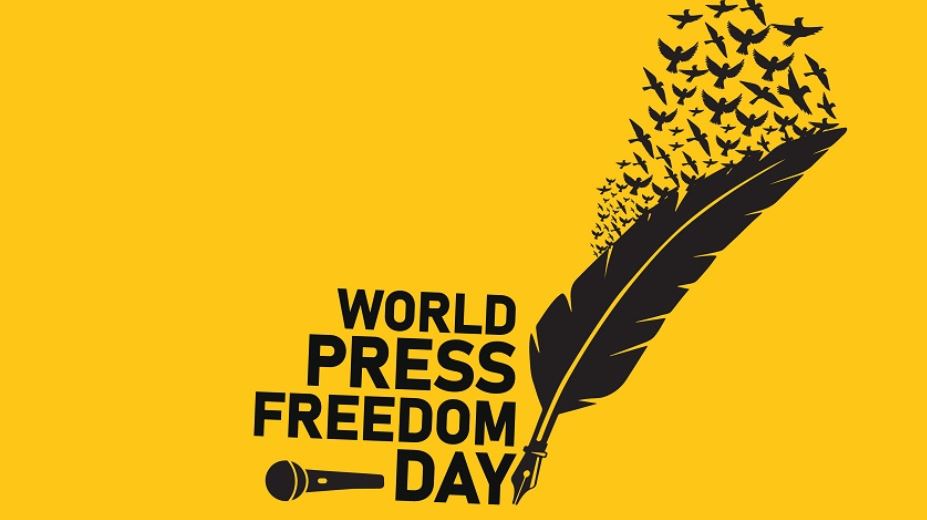
Beyond economics and politics journalists still face threats intimidation and harassment. Media workers insist they must be able to work freely and safely. No one should fear violence or persecution. Protecting press freedom is not just good for journalists. It is good for all of society. An informed public is essential for democracy and development.
Many people now want genuine self regulation in the media industry. Media professionals say ethical standards will improve if journalists enforce accountability themselves. They need independent peer review not too much government control.
Zimbabwe's media landscape keeps changing. The struggle for ethical journalism reflects bigger tensions in society. Tensions between freedom and control. Between survival and professionalism. Between truth and propaganda. Between public service and commercial interests.
But many journalists still believe in the core principles of their profession. Truth fairness accountability and service to the public. The world of information is changing fast. The future of Zimbabwean journalism depends on rebuilding public trust. It depends on protecting editorial independence. It depends on creating conditions where journalists can work ethically and without fear.
For now journalism in Zimbabwe stands at a crossroads. It battles political pressure economic instability and digital disruption. At the same time it tries to preserve the integrity of a profession that democracy and the public still desperately need.












Comments (0)
Join the conversation
Sign in with Google to comment and like articles
No comments yet. Be the first to share your thoughts!