

Fear and uncertainty continue to spread across the Democratic Republic of Congo as the country engages in a deadly fight against the Ebola virus, which has already claimed more than 131 lives. Health authorities and international organisations have expressed great concern over the shocking speed at which the virus is spreading through the country's troubled communities.
The DRC has previously experienced Ebola outbreaks, but health experts warn that the current situation is becoming increasingly difficult to control due to limited healthcare resources, economic hardships, and poor living conditions in many affected areas. The World Health Organization says the outbreak has placed enormous pressure on the country's healthcare system, with hospitals and treatment centres struggling to cope with the rising numbers of infections. Follow us on WhatsApp
Medical teams are working tirelessly to isolate patients, trace contacts, and educate communities on how to prevent further spread of the disease. However, the rapid increase in deaths has raised fears that the outbreak could escalate into a wider humanitarian crisis if immediate action is not taken.
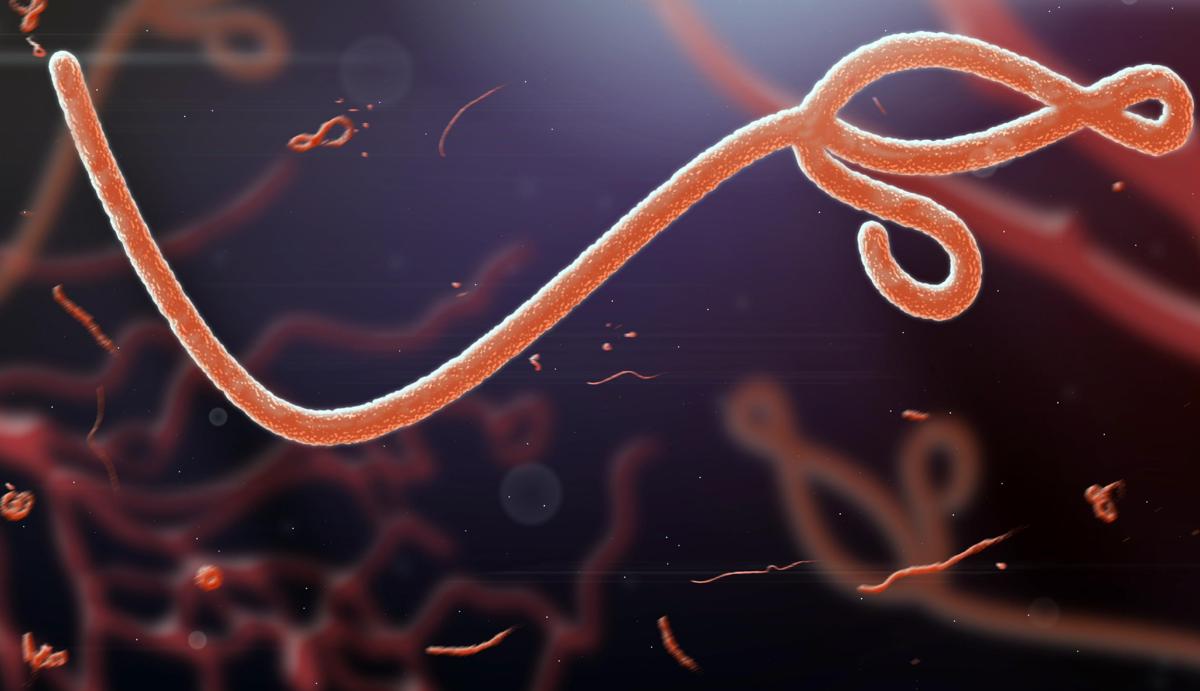
Ebola is a rare but extremely dangerous viral disease caused by the Ebola virus of the filoviridae family. The virus attacks the immune system and damages blood vessels, often leading to severe internal bleeding, organ failure, and shock. Patients usually begin with symptoms such as fever, headaches, fatigue, vomiting, and muscle pain before their condition rapidly worsens.
What makes Ebola particularly deadly is that there is no guaranteed cure for the disease. Doctors can only provide supportive treatment, including fluids, medication, and intensive medical care, in the hope that the patient's body can fight the infection.
In many parts of the DRC, the situation is being worsened by poor healthcare infrastructure and a lack of medical equipment. Rural clinics are overwhelmed, while some hospitals lack enough trained personnel, protective clothing, and essential medicines to deal with a disease as contagious and deadly as Ebola.
Health workers have been forced to travel long distances through remote villages and conflict-prone areas to identify infected individuals and prevent the virus from spreading further. Many of these healthcare workers are risking their own lives daily while trying to save others.
The outbreak is occurring at a time when many African economies are already struggling under severe financial pressure. Economic hardships linked to global tensions, including the impact of the US-Iran conflict on fuel prices and trade, have further weakened the ability of developing nations to respond effectively to emergencies.
For the DRC, this means that funding healthcare programmes, transporting medical supplies, and maintaining emergency response systems have become even more challenging. Across affected communities, daily life has been disrupted by fear and uncertainty. Markets have become less crowded, some schools have experienced interruptions, and traditional burial ceremonies have been restricted because contact with infected bodies can easily spread the virus.
Families are being separated as infected relatives are taken into isolation centres for treatment. In some communities, fear and misinformation have made it difficult for health officials to gain public trust, slowing down efforts to contain the outbreak.
Despite these challenges, the Congolese government, together with international health organisations, continues to intensify efforts to stop the spread of the disease. Awareness campaigns are being conducted to educate citizens on hygiene practices, safe burials, and the importance of reporting symptoms early. Screening measures have also been strengthened in affected regions to reduce the risk of the virus crossing into neighbouring countries.
The Ebola outbreak has once again exposed the vulnerability of many African healthcare systems in the face of pandemics. Experts believe that unless African governments invest more heavily in healthcare infrastructure, scientific research, and emergency preparedness, future outbreaks could become even more devastating.
The crisis has also renewed calls for African countries to strengthen cooperation in disease surveillance and medical research so that the continent can respond more effectively to health emergencies.
At the same time, the outbreak has highlighted the bravery and resilience of African healthcare workers who continue to serve on the frontlines despite limited resources and dangerous conditions. Doctors, nurses, volunteers, and community leaders remain committed to saving lives and protecting vulnerable communities from one of the world's deadliest diseases.
As the death toll continues to rise, the people of the Democratic Republic of Congo remain trapped in a growing health crisis that threatens not only lives, but also the country's fragile economy and social stability. Unless urgent measures are taken to contain the outbreak, fears remain that Ebola's shocking spread could develop into an even larger disaster for both the DRC and the African continent as a whole



















Comments (0)
Join the conversation
Sign in with Google to comment and like articles
No comments yet. Be the first to share your thoughts!