

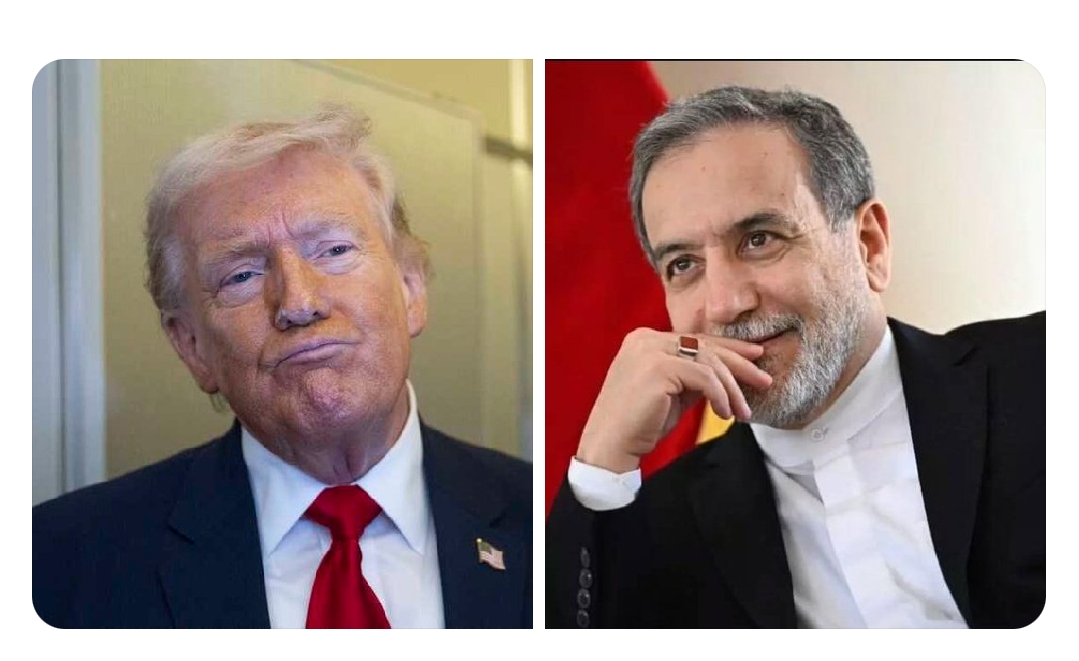
Global tensions in the Middle East have intensified after United States President Donald Trump issued a dramatic warning concerning the strategic Strait of Hormuz, reportedly ordering the US Navy to "shoot and kill" any boats allegedly laying mines in the critical waterway.
In a statement shared on his X account on social media, Trump claimed American naval "mine sweepers" were already operating in the Strait, clearing potential threats, while ordering a heightened military response against any vessels suspected of mining the channel. The remarks have sparked widespread international concern, as the Strait of Hormuz remains one of the world's most sensitive geopolitical flashpoints. Follow us on WhatsApp
The narrow waterway, situated between Iran and Oman, serves as a major artery for global energy supplies. Nearly a fifth of the world's oil and significant volumes of liquefied natural gas pass through the route daily, making any disruption there a threat not only to regional security but also to the global economy.
Fears have grown following allegations that Iran may have mined the strait, though no independent confirmation has emerged. If proven true, such an act could obstruct commercial shipping, trigger military confrontation, and drive up energy prices worldwide.
Security analysts say the rhetoric marks a significant escalation. Direct threats involving lethal military action in such a contested maritime zone raise the risk of miscalculation, where a single encounter at sea could rapidly spiral into broader conflict. The US Navy has historically maintained a strong presence in the Gulf, but language suggesting immediate use of force has drawn scrutiny from diplomats and defence observers.
Regional experts note that the Strait of Hormuz has long been at the centre of tensions between Washington and Tehran. Disputes over sanctions, maritime security and regional influence have repeatedly turned the passage into a pressure point. However, threats to shut down or militarily control the strait carry consequences far beyond the Middle East, affecting fuel prices, shipping insurance costs and global markets.
International observers have also raised concern over the humanitarian and diplomatic implications of further escalation. Any armed confrontation involving Iran and the United States could destabilise neighbouring Gulf states, disrupt trade routes and deepen insecurity in an already volatile region.
Meanwhile, energy markets are closely watching developments. Even speculation of conflict in the Strait of Hormuz often causes oil prices to rise, as traders respond to fears of supply disruptions. Economists warn that a prolonged crisis could worsen inflationary pressures globally, particularly in import-dependent economies.
Diplomatic calls for restraint are expected to grow as governments seek to prevent confrontation. Analysts argue that while military posturing may serve as deterrence, sustainable stability in the Gulf ultimately depends on negotiation rather than escalation.
For now, the developments underscore how a strategic waterway only a few miles wide remains capable of influencing global peace, security and economic stability. As tensions mount, the world watches whether the crisis moves toward conflict or diplomacy.





















Comments (0)
Join the conversation
Sign in with Google to comment and like articles
No comments yet. Be the first to share your thoughts!