

The memory of the late national Hero and former President Cde Robert Gabriel Mugabe and the current President Cde Dr Emmerson Dambudzo Mnangagwa weighs heavily on the land question, a living pulse in the national consciousness. When Cde Mugabe stood before the world and told CNN's Christiane Amanpour in 2002 that "We are not going to give up our land because of pressure from Britain or anyone," his words hung in the air like a promise made at gunpoint. It was a declaration of identity, telling the black majority that the land, once the exclusive domain of the settler minority, was no longer a bargaining chip in the hands of foreign powers.
Similarly, President Mnangagwa later declared that the land reform programme was "irreversible" and that the government had "no intention of reversing land reform," anchoring the nation's self-respect in concrete policy. He insisted that the land was not an experiment or a concession, but a debt owed by history and paid in blood. Both leaders framed the land question as the axis on which Zimbabwe's sovereignty turned.
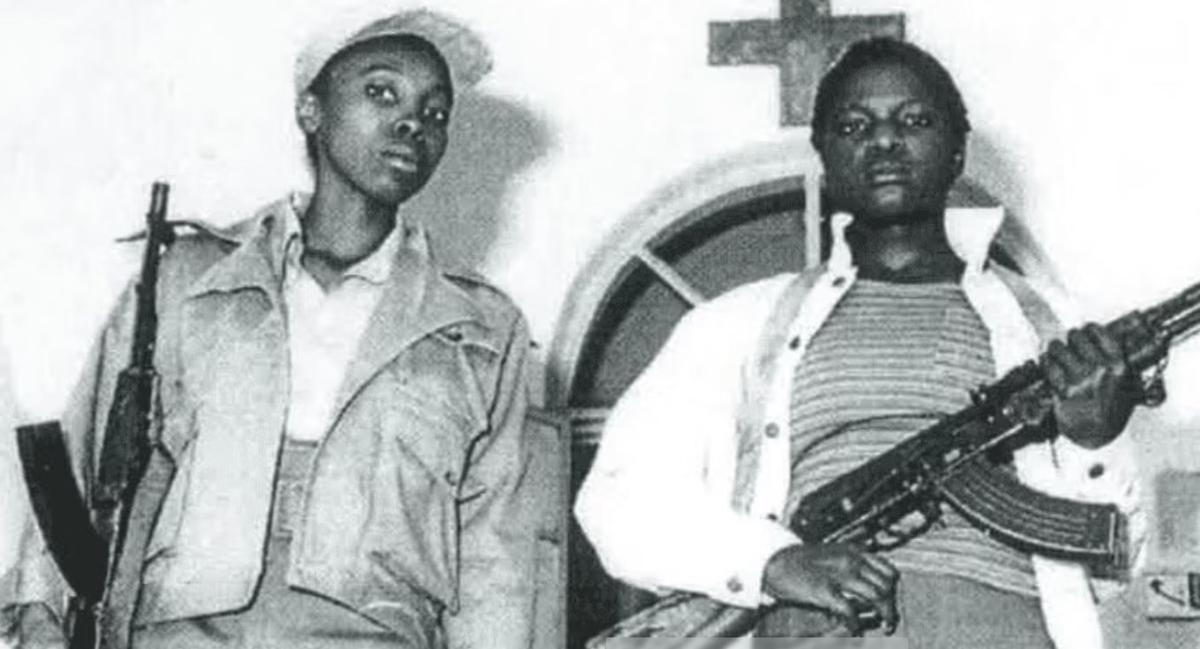
The Fast Track Land Reform Programme was enacted with profound human cost. In the early 2000s, news of farm invasions, evictions and violence flooded the global media. Detractors claimed the state was orchestrating chaos, trumping human rights and disregarding the rule of law. However, rural communities saw the land as their birthright, and thousands of former farm labourers, ex-combatants, teachers and civil servants marched onto the land with their children, goats, and dreams.
The international narrative often stripped of nuance portrayed the land reform as chaotic and vengeful, ignoring long-standing inequality. Western media and political platforms seldom spoke of the rights of black Zimbabwean peasants to own the land. Sanctions followed, framed as a "moral" response, but their impact fell hardest on the poor.
Despite hardships, the black majority dug deeper. A new class of black farmers emerged, not just as tenants but as owners. Some thrived, others struggled, but ownership itself was a revolution in dignity. The former President Cde Mugabe and current President Cde Mnangagwa remained united: the land reform would not be undone.
The struggle over land is about memory, justice and self-determination. The late President Mugabe's assertion that "land is the economy and the economy is land" captured Zimbabwe's reality. President Mnangagwa's declarations were not bravado, but recognition that reversing land reform would undo the people's will.
In the countryside, people stood firm, growing crops, building homes, and sending children to school despite odds. Their resilience, often dismissed as stubbornness, is the quiet power of a people who know they've fought the hardest fight .
As Zimbabwe approaches its 46th Independence, the land reform remains a contested chapter in the nation's story. It's a story of triumphs, pain and pride, written by the people with their hands, sweat and unyielding belief that a nation cannot be free until its people own the soil beneath their feet.














Comments (0)
Join the conversation
Sign in with Google to comment and like articles
No comments yet. Be the first to share your thoughts!