

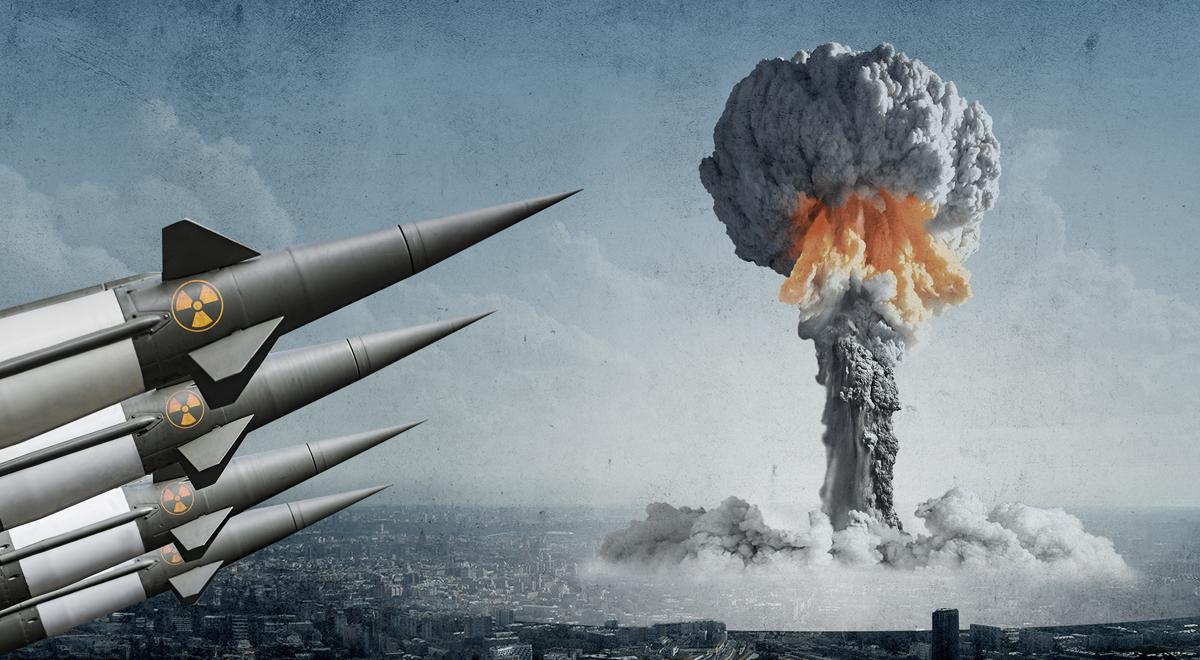
A conflict is a serious disagreement or argument between two or more entities, which can involve a clash of interests, values, or goals that leads to heightened tension or drama. Currently, there is a conflict posing restless nights unto the whole world, and this is the situation between Iran and Israel.
This war can be traced back to the 1979 Islamic Revolution in Iran, which transformed the country’s stance towards Israel. Prior to the revolution, Iran and Israel had relatively cordial relations under the Shah’s rule. However, when Ayatollah Khomeini took power, Iran adopted a firmly anti-Israel position, declaring the destruction of Israel as a foundational goal.
The conflict intensified in the 1980s with Iran’s support for Hezbollah, a Shia Islamist group in Lebanon, and later backing Hamas and other anti-Israeli groups. Israel responded with covert operations and strikes against Iranian targets. According to reports from BBC and other news outlets, recent escalations began in 2023 with the Gaza war, and by February 2026, Israel and the U.S. launched joint airstrikes on Iran, killing Supreme Leader Ayatollah Ali Khamenei. Iran retaliated with missile strikes on Israel, sparking a broader conflict.
Though the conflict is primarily between Iran and Israel, it is now affecting three-quarters of the world, including various countries in Europe, Asia, and significantly, Africa. In Africa, Zimbabwe is likely to feel the impact. While some may argue that “Iran is very far away from Zimbabwe,” the ramifications of the war involving Iran, the U.S., and Israel may be felt closer to home.
Through trade routes, fuel prices, and travel logistics, the ongoing conflict could impact Zimbabwe if it persists. In terms of trade, Dubai serves as Zimbabwe's biggest gateway, accounting for approximately half the value of the country's exports. Most of Zimbabwe's gold, which is the nation’s largest export, passes through Dubai’s gold hub before reaching final markets. In January alone, exports to Dubai were valued at US$500.1 million, constituting about half of all exports. Any prolonged disruptions to flights, shipping, insurance, or payment channels through the Gulf region could slow this vital pipeline.
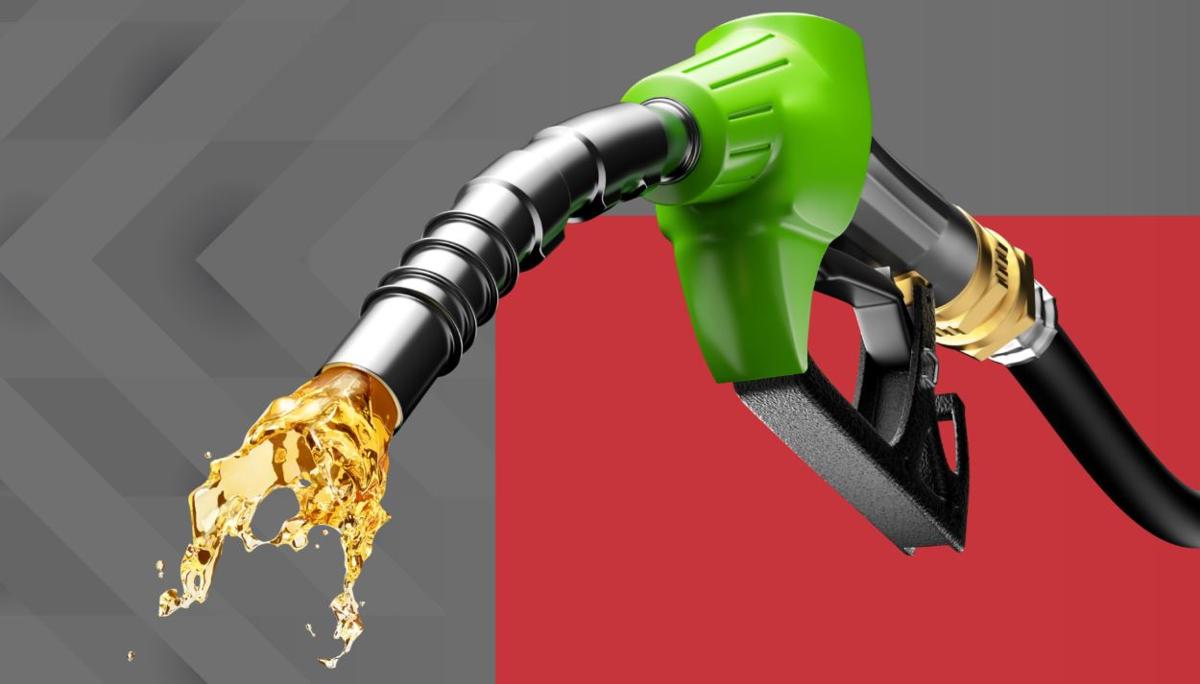
Recently, the Zimbabwe Energy Regulatory Authority (ZERA) adjusted fuel prices, and rising oil prices are straining fuel budgets. Conflicts in major energy corridors typically drive oil prices up. Higher crude prices quickly filter down to fuel, transport, and food costs. Oil prices jumped above US$80, rising around US$8 on that day and sharply higher than just over US$60 in January. This latest spike is driven by fears of disruption in the Strait of Hormuz, which carries about 20% of the world's oil supply.
In 2025, Zimbabwe spent US$1.8 billion on fuel imports, and any further increases in prices would exacerbate that expenditure, pushing the country to build larger fuel reserves as a buffer in times of crisis. Consequently, during global crises, gold prices usually rise as investors seek safer assets. Over the past several years, this trend has allowed Zimbabwe's gold to reach record heights, benefiting export earnings—a total of US$4.5 billion last year, nearly double the levels of 2024. However, if the conflict disrupts logistics through Dubai and other routes, Zimbabwe may not fully capitalize on these upsides.
Furthermore, if tensions continue, long-haul travel could become more expensive and risk-averse. This could result in fewer travelers from the Middle East and connecting hubs, thereby putting additional pressure on airline routes into Southern Africa. This scenario is particularly concerning for hotels, parks, and conference tourism. For example, Emirates operates seven flights each week between Harare and Dubai. The airline recently resumed some limited flights after having suspended operations due to massive missile strikes by Iran.
While the conflict between Iran and Israel may seem distant from Zimbabwe, the economic and logistical repercussions of this war could significantly affect the nation's trade, fuel prices, and tourism industry. The interconnectedness of today's global economy means that conflicts, even those occurring thousands of miles away, have the potential to reach into the heart of Zimbabwe and impact its citizens

















Comments (0)
Join the conversation
Sign in with Google to comment and like articles
No comments yet. Be the first to share your thoughts!