

A High Court ruling has blocked the planned exhumation of Baba Johanne Masowe from his burial site at Dandadzi Hills near Rusape, escalating a long-running dispute over whether the church founder’s remains can be moved from a shrine many followers regard as sacred.
The ruling matters because this is no longer just a family disagreement over reburial. It is a collision between religious authority, administrative procedure and control over one of the most spiritually important sites in the Johanne Masowe movement. The fight is now as much about power and legitimacy as it is about burial rights.
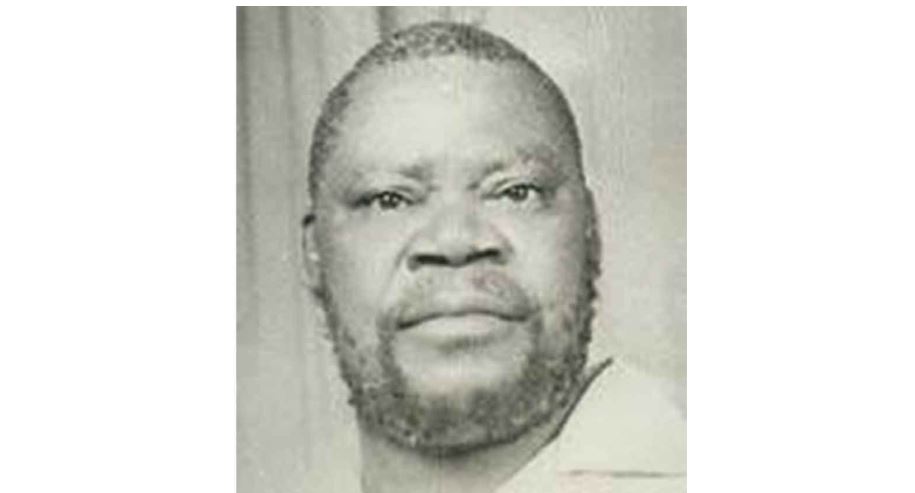
Peter Jack Masedza, venerated by followers as Baba Johanne Masowe, was buried at the shrine in 1973. His sons, Magaga and Reuben Masedza, have been seeking to exhume and relocate his remains to Marondera, while church leaders insist the site was chosen by Masowe himself and cannot be treated as ordinary family property.
The latest ruling turned on process, not final ownership of the dispute. Church lawyers argued that the authorisation to exhume the remains had been granted without following the law and without giving the church a hearing.
Justice Regis Dembure agreed, ruling that the decision by Provincial Administrator Joice Munamati to authorise the exhumation was unlawful and in violation of the Administrative Justice Act. That order set aside the approval and stopped the process for now.
That is the critical distinction. The court did not finally bury the sons’ claim. It blocked the way government had tried to clear the exhumation.
The sons’ lawyer, Nickiel Mushangwe, said the ruling was only a procedural setback and argued that earlier court decisions still left his clients with the right to pursue exhumation through the proper administrative route.
That means the case is not over. It has simply shifted back to the stage where authorities must decide whether the removal can be approved lawfully after objections are properly heard.
The emotional centre of the conflict sits far beyond court procedure. Church elders say moving the remains would desecrate a shrine where followers seek blessings and spiritual connection. They describe the burial site not as a grave in the ordinary sense, but as a living place of worship tied to the movement’s founding identity.
They have also accused Magaga of trying to relocate the remains to a private farm in Marondera for personal and strategic reasons, alleging that such a move would redirect pilgrims and strengthen his claim to leadership. Those accusations go to the heart of why the dispute is so explosive: whoever controls the founder’s resting place may also shape who claims spiritual authority in the church.
The church also argues that the exhumation would harm Baba Johanne Masowe’s widows, who have remained at the shrine for years as custodians of his legacy. Elders say their position and security would be undermined if the site lost its sacred status or if power shifted elsewhere.
The legal background shows how entrenched the dispute has become. In December, the Supreme Court upheld the sons’ right to seek exhumation proceedings but made clear that courts do not themselves authorise the removal of human remains. That power rests with administrative authorities, who must act within the law.
Justice Susan Mavangira said at the time that the sons had the right to seek exhumation, but whether they succeeded would depend on the administrative process. That left the door open, but it did not grant automatic permission.
The contradiction now sits in plain view. The sons may have a recognised right to apply for exhumation, but the state’s first attempt to approve it has already been struck down as unlawful. So the legal path exists, but the process used so far has failed.
What happens next will matter far beyond one burial dispute. The case now raises deeper questions about how Zimbabwe handles shrines that function as places of worship, whether family claims can outweigh long-settled religious practice, and who ultimately controls the symbols that anchor a faith community.
For now, the remains stay at Dandadzi Hills, but the real contest is no longer only about where Baba Johanne Masowe is buried. It is about who gets to define what that burial place means.
Source - The granite













Comments (0)
Join the conversation
Sign in with Google to comment and like articles
No comments yet. Be the first to share your thoughts!